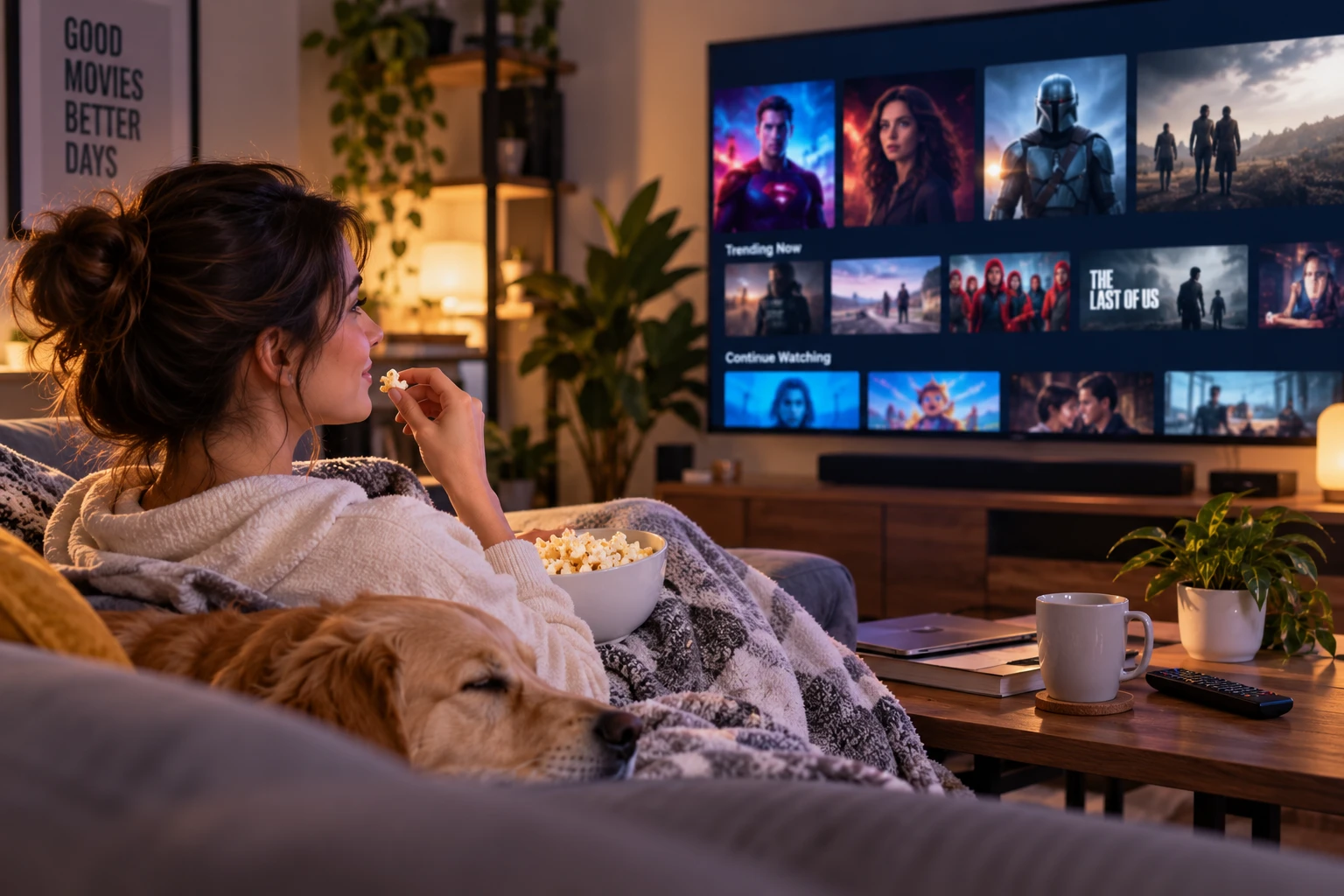
The way people watch movies and television has changed dramatically over the past few decades. Traditional television schedules once determined when audiences could watch their favorite programs, while visiting a cinema was the primary way to experience a new film on a big screen. Today, streaming platforms have made entertainment available through internet-connected devices, allowing viewers to decide what they want to watch and when they want to watch it.
From Fixed Schedules to On-Demand Viewing
One of the biggest changes brought by streaming is the move from scheduled programming to on-demand entertainment. Traditional television required viewers to be available at a particular time unless they recorded a program.
Streaming services changed this model. Viewers can select a movie or episode whenever it suits them. This flexibility is particularly useful for people with different work schedules, students, families, and viewers who live in different time zones.
Instead of arranging their day around television programming, audiences can fit entertainment around their own routines.
Binge-Watching Became Common
Streaming also helped popularize binge-watching. When multiple episodes of a series are available at once, viewers can watch several episodes during one sitting.
Previously, television series generally required audiences to wait for the next scheduled episode. Streaming allows viewers to decide how quickly they want to move through a story.
Binge-watching can make serialized storytelling more immersive because viewers do not necessarily have to wait days or weeks to discover what happens next.
Greater Choice for Viewers
Traditional television schedules offered a limited selection at any particular moment. Streaming libraries can provide access to a much broader range of movies and shows.
Viewers can explore different genres, languages, decades, and countries from a single device. Someone interested in international cinema, documentaries, classic television, animation, or independent productions may find content that would have been difficult to locate through conventional programming.
This abundance of choice has also made entertainment more personalized.
Recommendations Influence What People Watch
Streaming platforms commonly use algorithms and viewing data to recommend content. These systems may consider previous viewing behavior, genres, actors, ratings, and other signals to suggest movies or shows.
This can make it easier to discover something new without manually searching through a large catalog.
At the same time, recommendations can influence viewing habits by repeatedly presenting certain types of content. As a result, what viewers watch can be shaped not only by personal preferences but also by the way entertainment libraries are organized and presented.
Television Became More Flexible
Streaming has also changed the meaning of television. People no longer need a traditional television set to watch a TV series.
Laptops, smartphones, tablets, smart televisions, and other connected devices allow viewers to watch from different locations. This flexibility has made television content more portable.
A viewer can start an episode on one device and continue later on another, depending on the features available through the service.
New Opportunities for Storytelling
Streaming has created additional opportunities for filmmakers and television creators. Series can explore longer storylines, while specialized productions can reach audiences interested in particular genres or subjects.
Some streaming productions have also experimented with episode lengths and storytelling structures. Instead of every episode following a traditional television format, creators may have more freedom to design a story around its specific requirements.
This has contributed to greater variety in modern entertainment.
Global Entertainment Became More Accessible
Another major change is the increased availability of international content. Streaming services can make productions from different countries easier for audiences around the world to discover.
Subtitles and dubbing allow viewers to watch stories in languages they may not understand.
As a result, a successful series or film can gain international attention without relying entirely on traditional distribution channels.
The Cinema Experience Still Has a Role
Although streaming has transformed home entertainment, cinemas remain an important part of the movie industry. The large screen, sound system, shared audience experience, and atmosphere provide something different from watching at home.
For major releases, many viewers still enjoy seeing a film in a theater before watching other content through home entertainment services.
The two experiences can therefore coexist rather than simply replacing one another.
Challenges of Having Too Much Choice
The large number of available movies and shows can also create a new problem: deciding what to watch.
With thousands of options across different services, viewers may spend significant time browsing before selecting something.
This phenomenon is sometimes described as choice overload. Recommendations, search tools, categories, and curated collections are designed partly to make large libraries easier to navigate.
Changing Conversations Around Entertainment
Streaming has also changed how people discuss movies and television. Social media allows viewers to react to episodes almost immediately, while online communities can discuss theories, characters, endings, and unexpected developments.
A show can become widely discussed because of online conversation, clips, memes, and recommendations shared by viewers.
Entertainment is therefore no longer experienced only while watching. Online discussion has become another part of the viewing experience.